APMRS 2026
under the motto:
Beyond Boundaries: Charting New Frontiers in Proteomics and Metabolomics
The Austrian Proteomics and Metabolomics Association (APMA) and the University of Graz are hosting the next Austrian Proteomic and Metabolomic Research Symposium APMRS 2026 from the 16th – 18th of September 2026. Join us in September for three days of thrilling MS-based science at the centrally located campus of the University of Graz!
Venue
University of Graz
Universitätsplatz1
8010 Graz
Austria
Registration
APMRS 2026 is free of charge for APMA members
Non-APMA members: 50 €
Deadline for abstract submission: 30.06.2026
Deadline for registration: 31.08.2026
Topics:
- Functional proteomics: activity-based proteomics, PTM proteomics, structural proteomics, drug (off) target elucidation;
- Resolving metabolic pathways: Stable isotope resolved metabolomics, lipidomics;
- Special applications in medicine and biotechnology: Clinical proteomics and metabolomics, metaproteomics, host cell omics;
- Multiomics, bioinformatics, novel tools… and many more!
Invited speakers:
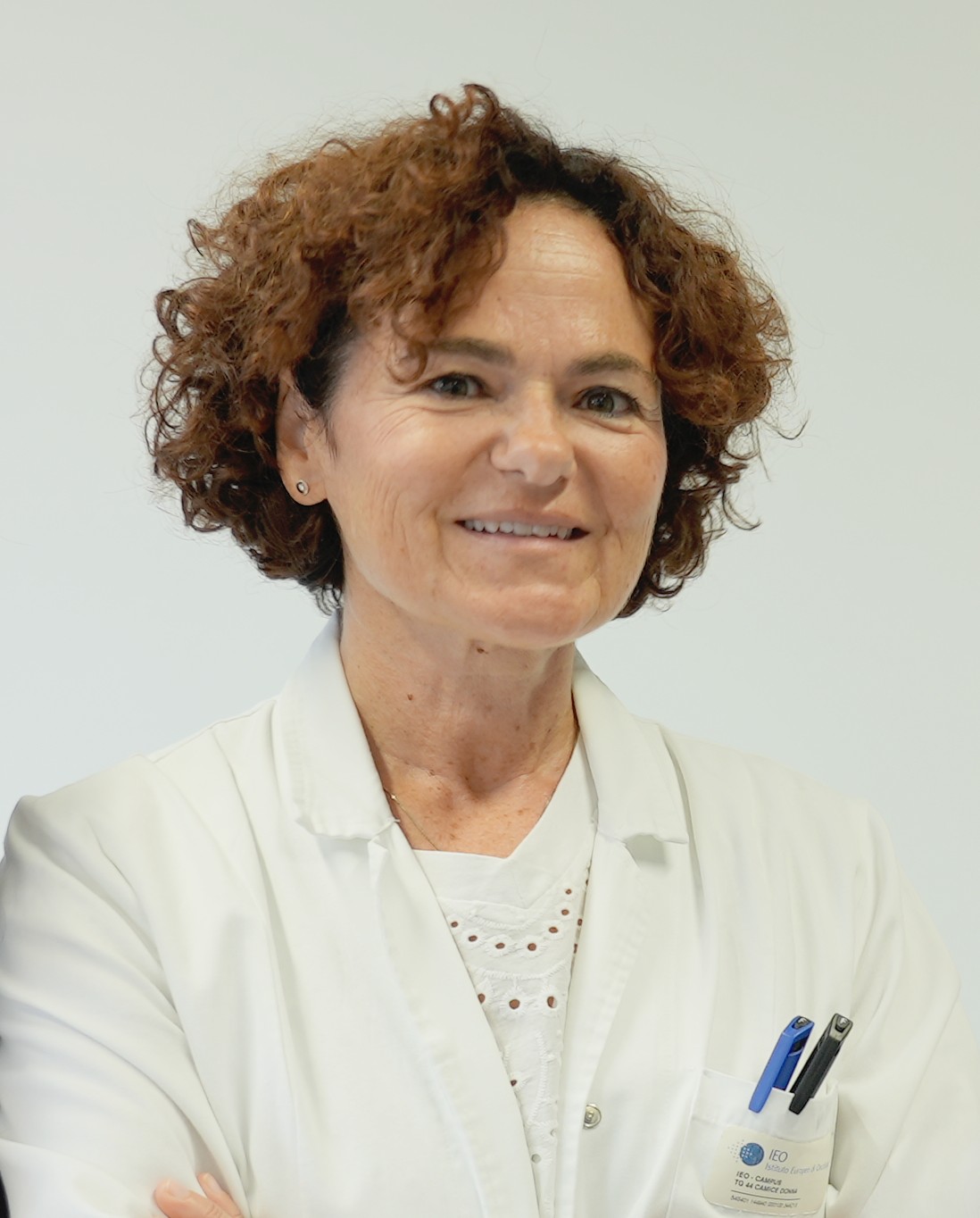
Tiziana Bonaldi is a tenured Group Leader at the European Institute of Oncology (IEO) in Milan, where she has led the Cancer Epi-Proteomics and Gene Expression Regulation laboratory since 2008. She is also Associate Professor at IEO and holds an academic appointment at the University of Milan. She obtained her PhD in Molecular and Cellular Biology from the San Raffaele Institute (DIBIT, Milan), followed by postdoctoral training at Ludwig Maximilian University (Munich) and the Max Planck Institute of Biochemistry (Martinsried), where she specialized in mass spectrometry (MS)-based approaches to study chromatin and the histone code. In 2007, she was awarded the prestigious Armenise-Harvard Career Development Award. In 2023, she was elected EMBO Member in recognition of her scientific contributions. Her research lies at the interface of chromatin biology, proteomics, and cancer epigenetics, with a strong focus on how epigenetic mechanisms drive tumor plasticity, adaptation, and resistance to therapy. She is internationally recognized for pioneering contributions to epi-proteomics, particularly the development and application of advanced MS-based strategies to characterize histone and non-histone post-translational modifications, including protein methylation. Her laboratory combines technological innovation with biological discovery, applying quantitative proteomics to dissect chromatin composition and gene regulation in cancer, including analyses of clinically relevant primary samples. Her work has uncovered novel functions of epigenetic enzymes in cancer onset, progression, and drug response, contributing to a deeper understanding of adaptive mechanisms in tumors. She is also actively involved in large-scale European research initiatives, including the EPIC-XS consortium, where she contributes to the development of analytical platforms for clinical proteomics and supports access to cutting-edge MS technologies. Beyond her research, she plays an active role in institutional leadership and scientific coordination at IEO, including serving as Chair of the Scientific Council of the Department of Experimental Oncology. She has also been involved in initiatives promoting gender balance in science and previously coordinated the EU-funded LIBRA project within the EU-LIFE alliance. Tiziana Bonaldi has authored over 130 peer-reviewed publications and is widely recognized as a leader in chromatin proteomics and cancer epigenetics.
Lecture title: Epi-proteomics to decode chromatin and protein methylation rewiring in cancer therapy resistance (Case studies in triple-negative breast and ovarian cancer)
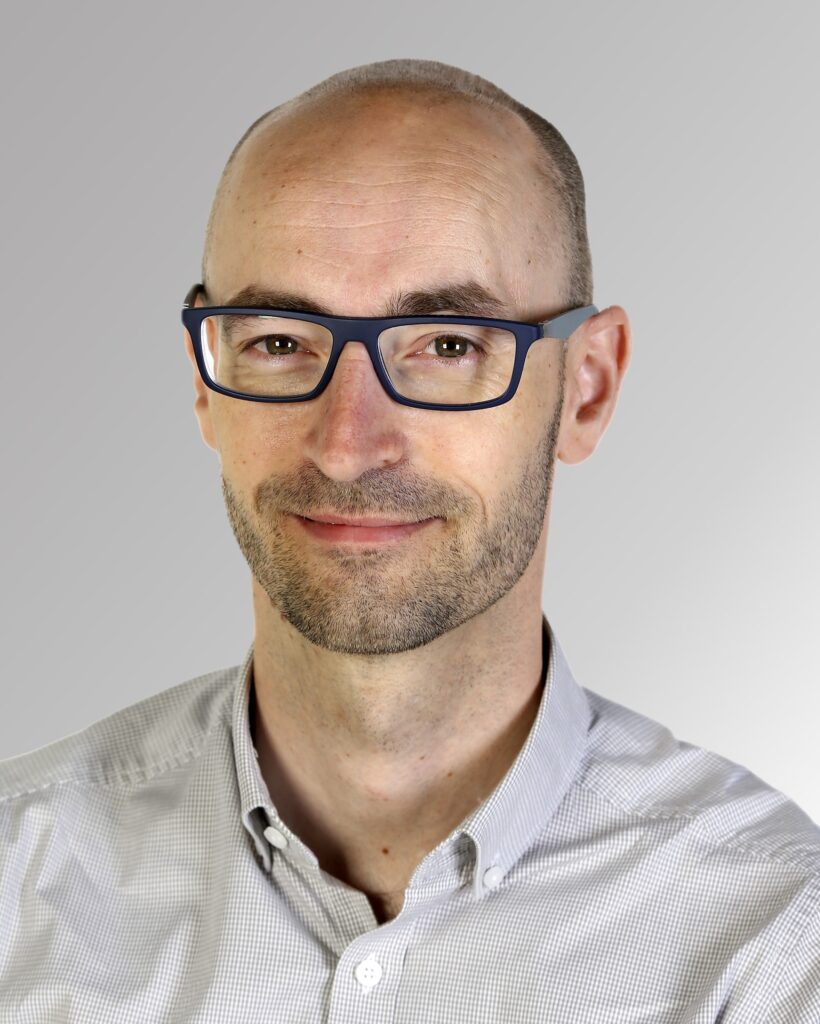
Christer is Associate Professor at the University of Southern Denmark and a Visiting Group Leader at the European Molecular Biology Laboratory (EMBL) in Heidelberg. He obtained his Ph.D. in 2007 at the Max Planck Institute for Molecular Cell Biology and Genetics in Dresden under Kai Simons and Andrej Shevchenko. His research focuses on developing advanced mass-spectrometry–based lipidomics technologies and integrating lipidomics with proteomics to study the regulation of lipid metabolism in cells and organisms. Christer has contributed to the development of widely used lipidomics workflows based on automated nanoelectrospray ionization, high-resolution mass spectrometry, and dedicated data analysis tools. These technologies have enabled discoveries in lipid biology, metabolism, and cell biology. He has authored more than 100 peer-reviewed publications and actively advances multi-omics approaches to investigate lipid dynamics in physiology and disease.
Lecture title: Towards Systems-level Profiling of Lipid Metabolic Fates in Health and Disease
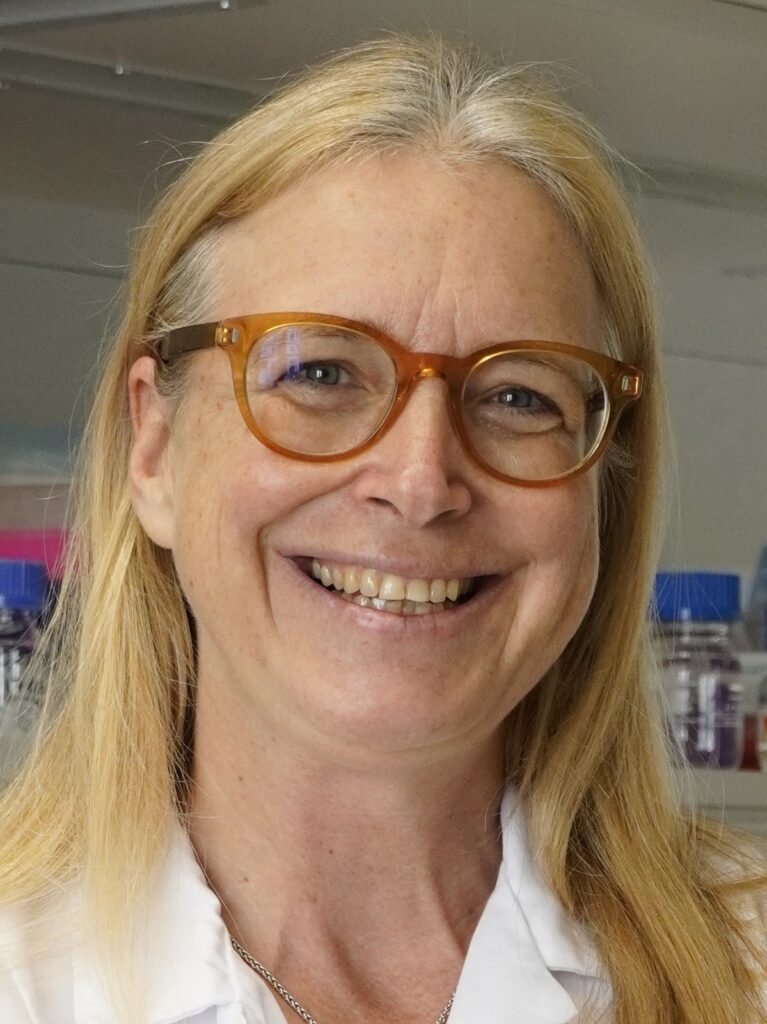
Ruth is a biochemist with an interdisciplinary foundation in technical chemistry and biochemistry from TU Graz, complemented by early research experience at RMIT Melbourne. Her work centers on analytical sciences and the molecular mechanisms of human disease, integrating advanced mass spectrometry-based proteomics and metabolomics with clinical and translational research. Her PhD on mitochondrial lipid metabolism and postdoctoral contributions to the discovery of adipose triglyceride lipase shaped her focus on activity-based proteomics, lipidomics, and metabolic regulation. After habilitation at the Medical University of Graz, she led major research infrastructures, fostering multidisciplinary collaboration, and was appointed Associate Professor at the Diagnostic and Research Institute of Pathology. Since 2019, she has been Full Professor of Bioanalytics at TU Wien, advancing proteomics and metabolomics and actively engaging in large-scale research initiatives focusing on lipid hydrolysis, oxidative stress and metabolic regulation, microbiome host interaction and biocatalyst discovery.
Lecture title: Redox and Lipid Metabolic Rewiring in Lung Cancer
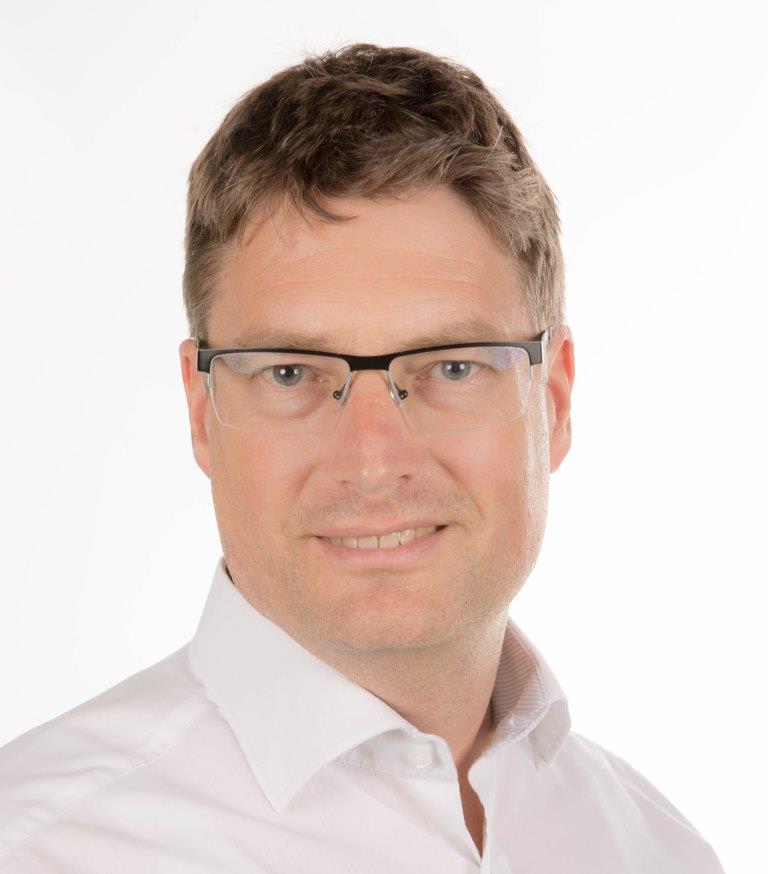
Harald did his undergraduate and PhD education at University of Graz, Institute of Biochemistry, where in 1999 he belonged to a handful of pioneers doing lipidomics by electrospray tandem-mass spectrometry. After finishing his graduate education, he joined the National Mass Spectrometry Resource Center headed by Michael L. Gross at Washington University in St. Louis, MO, USA, as a post doctoral research associate. In 2004, Harald Köfeler took over the Core Facility for Mass Spectrometry at the Medical University of Graz where he stayed in the position of core facility director until today. His research interest is still mass spectrometry based lipidomics where he mainly contributed by technical applications. Due to his long-standing expertise in the field, he is a founding board member of the International Lipidomics Society (ILS) and was the Lipidomics Interest Group leader of the American Society for Mass Spectrometry (ASMS) from 2021 to 2023.
Lecture title: Lipidomics: The Past and the Future
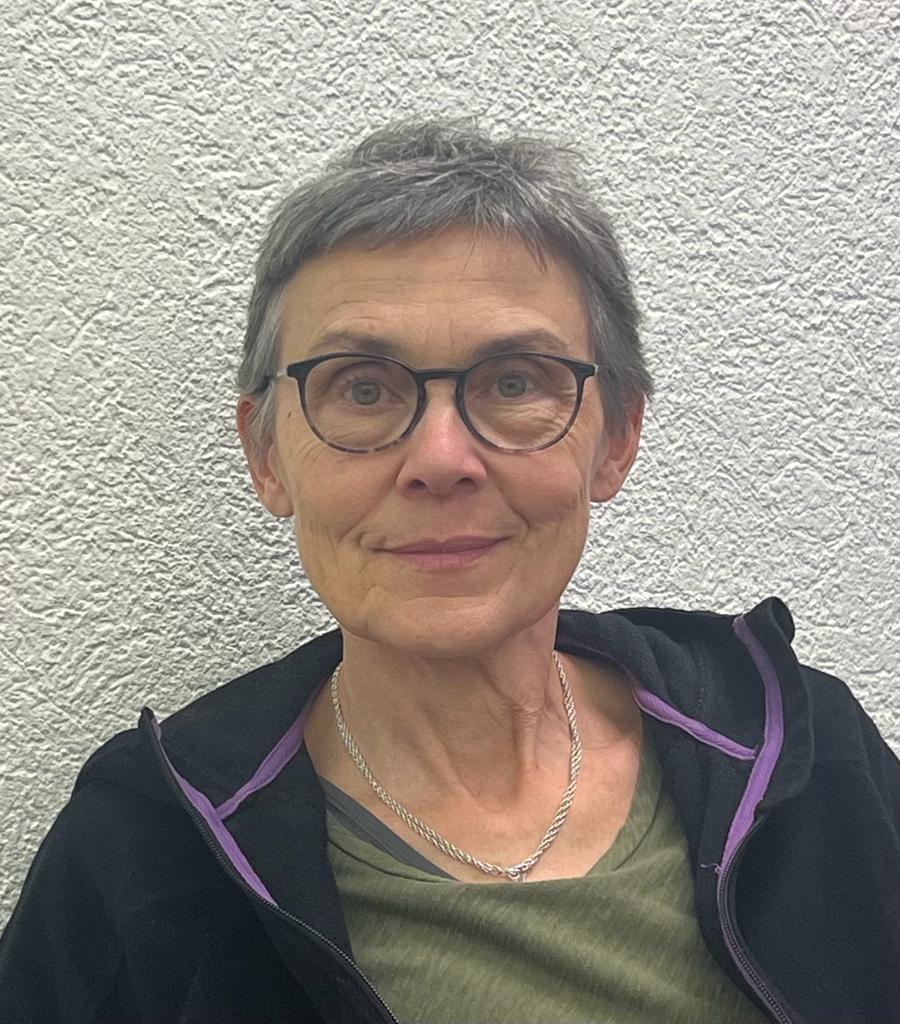
Frédérique Lisacek heads the Proteome Informatics Group at the SIB Swiss Institute of Bioinformatics in Geneva, Switzerland. She received a PhD in Computer Science (Artificial Intelligence) from the University Pierre & Marie Curie, Paris, France and held research positions in France, Japan and Australia working on knowledge representation and data mining methods. She spent a few years in industry (Proteome Systems Ltd in Sydney, Australia and Geneva Bioinformatics (GeneBio) S.A, in Geneva, Switzerland) before joining SIB in 2006, where she has been driving knowledge discovery projects in proteomics and in glycoscience, a source of many bioinformatics challenges.
Lecture title: A virtual path from to glyco- to proteo- mics
Lecture title: A virtual path from to glyco- to proteo- mics
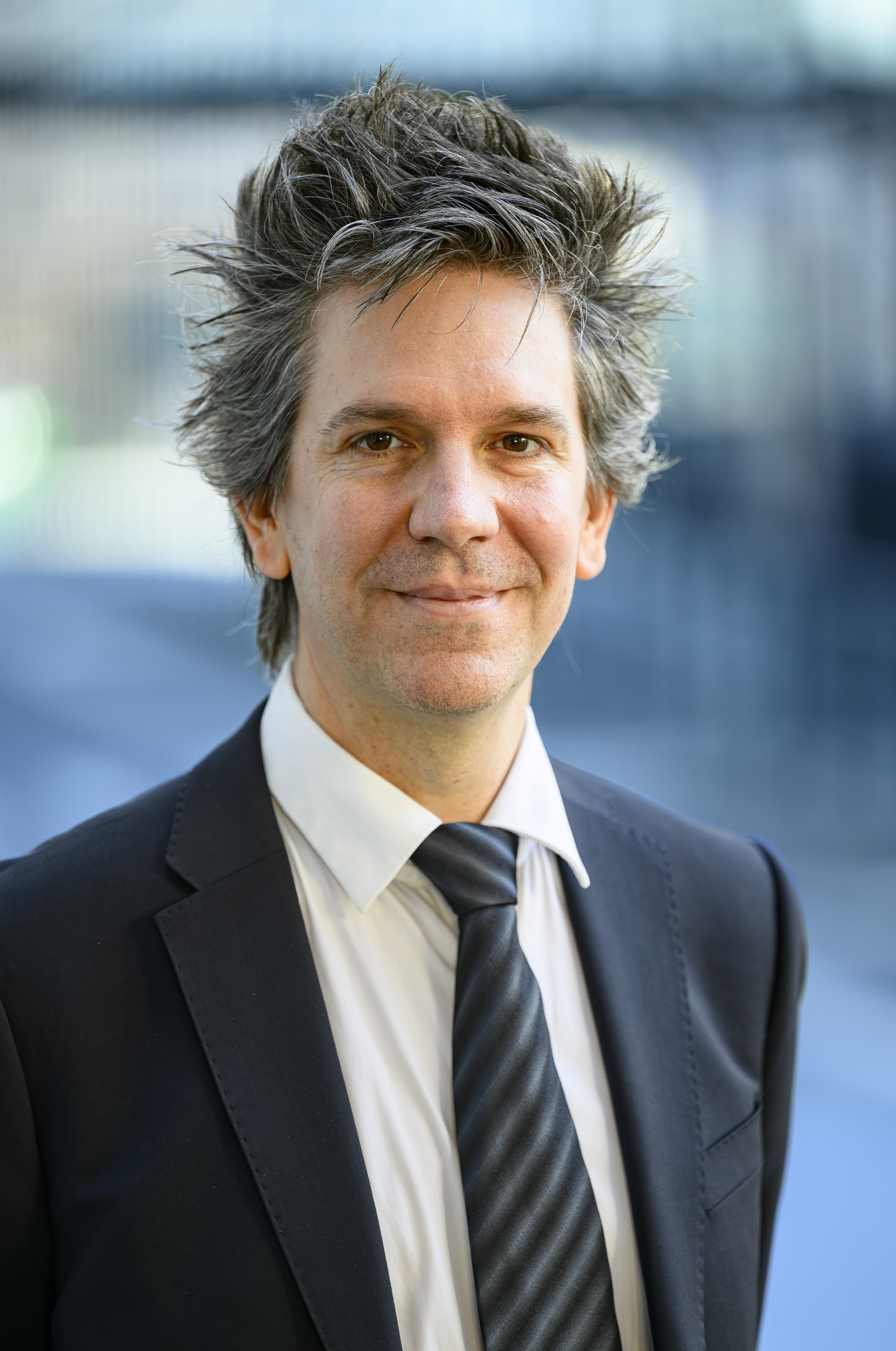
Tobias is Full Professor and Head of the Division of Medicinal Chemistry at the Medical University of Graz, with more than 20 years of experience in integrative structural biology and metabolomics. His research lies at the interface of structural biology, biophysics, cell biology, and medicine, focusing on how molecular structure, dynamics, and metabolism drive biological function and disease. NMR spectroscopy and complementary biophysical methods are central to his laboratory. He studies the structure–function–disease relationships of intrinsically disordered proteins, particularly the regulatory axis linking transcription factors such as FOX proteins, p53, and TCF/LEF with RG/RGG-containing RNA-binding proteins. A key objective is to understand how post-translational modifications regulate this network and connect it to metabolic control. His group has advanced integrative structural biology by developing and applying innovative computational and experimental approaches, including contributions to the Rosetta de novo structure prediction suite. Together with the De Keizer lab, his group identified the p53–FOXO4 axis as a critical stabilizer of senescent cells, leading to the founding of Cleara Biotech to translate these findings into therapeutics targeting cellular senescence. He also serves as Head of the Integrative Metabolism Research Center and Speaker of the PhD programs “Molecular Medicine” and “Biomolecular Structures and Interactions.” His goal is to uncover how disordered proteins govern signaling networks and to translate this knowledge into therapies for ageing-related diseases.
Lecture title: New Frontiers in NMR Metabolomics at the Crossroads of Chemistry, Biology, and Medicine
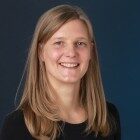
Stefanie, Professor at the University of Vienna, Austria, is an internationally recognized expert in plant systems biology. She is specialized in proteomics and metabolomics to study plant stress physiology and plant-microbe interactions. Her research is focused on uncovering molecular mechanisms underlying symbiotic stress alleviation, critical for sustainable agriculture and environmental resilience. As a former Head of the International Plant-Proteomics Organization (InPPO), Stefanie significantly contributed to advancing high-throughput analytical techniques for proteomics and integrative omics approaches, enabling deeper insights into plant adaptation strategies under abiotic and biotic stresses. She is a dedicated advocate for interdisciplinary collaboration in the field of functional and sustainable plant biology.
Lecture title: Proteomic and Metabolomic Perspectives on Plant-Microbe Interactions
Silver Sponsors




Bronze Sponsors
Partners: